+38 (098) 127 45 85
 +38 (050) 673 51 21
Over $18 billion: where did Russia buy the machine tools it uses to make weapons?
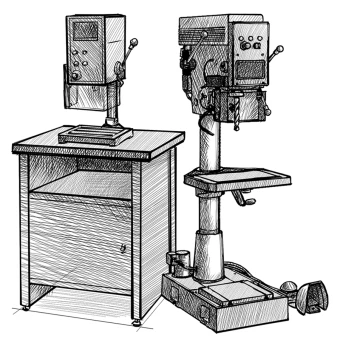
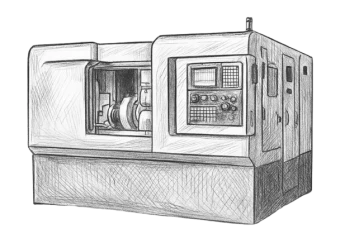
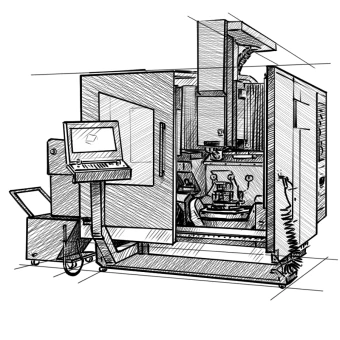
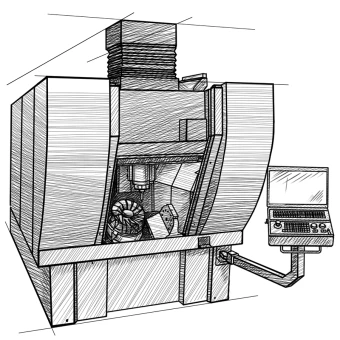
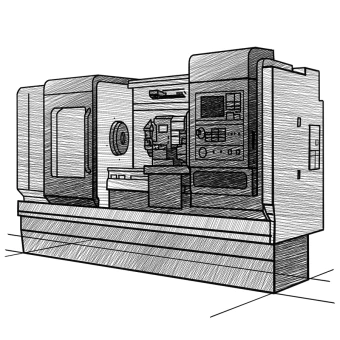
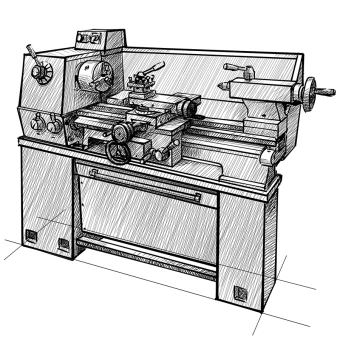
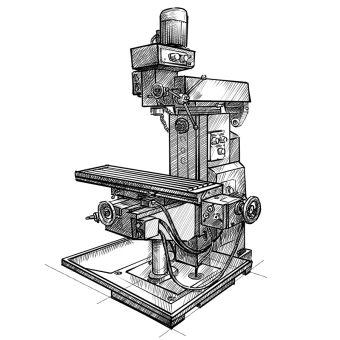
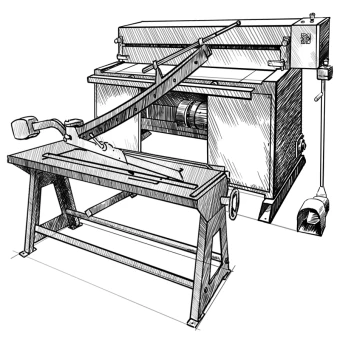
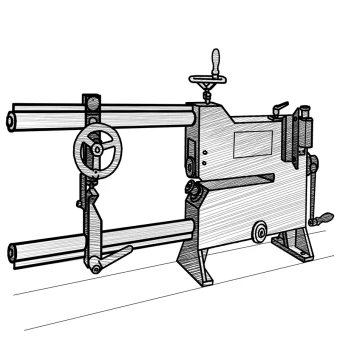
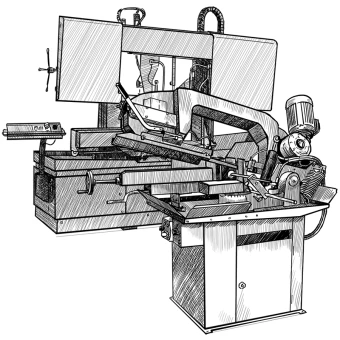
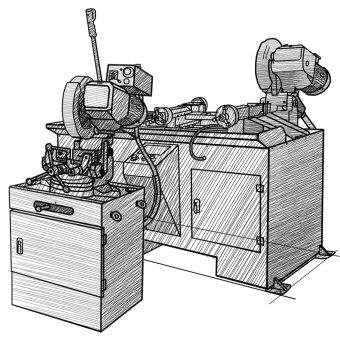
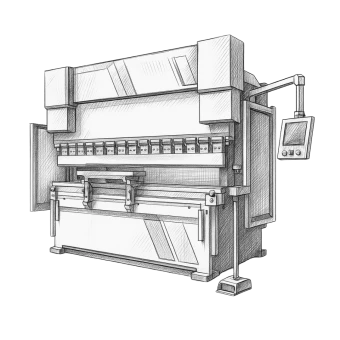
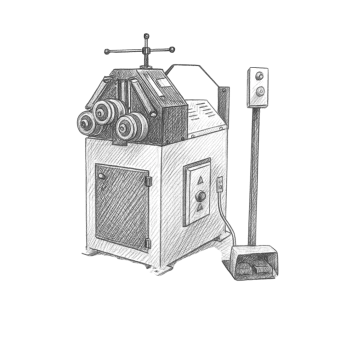
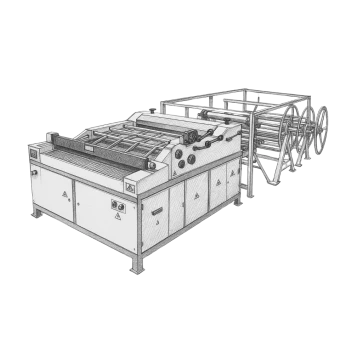
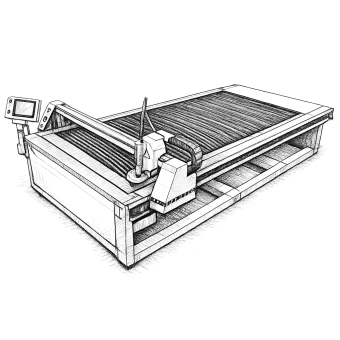
Russia managed to buy more than 22,000 CNC machines, plus components and consumables for them, worth $18.2 billion in 2023 and the first seven months of 2024, according to a study by the Economic Security Council of Ukraine (ESCU). Almost no weapon can be made without computer numerical control machines, so buying them is critical to sustaining Russia’s aggression.
Before the full-scale invasion of Ukraine, Russia’s dependence on CNC machine imports was 70–90%. For the original accompanying components it was even higher, at 80–95%. So whose equipment has Russia been buying since the full-scale war began?
Who made the machines Russia bought?
According to customs payment data analysed by ESCU, the top three producing countries were:
China — over 62% of all supplies, worth $2.6 billion
Taiwan — 8.9%, worth $371 million
South Korea — 5.47%, worth $228 million.
Almost a tenth of Russian imports came from European manufacturers. Russia received more than 10,000 CNC machines worth $405 million, including:
Italy — 4,459 machines worth $168.8 million.
Germany — 2,849 machines worth $139.9 million.
Components and consumables outweigh the machines
Russia bought even more in components and consumables for the machines than in the machines themselves — over $14 billion. Goods worth more than $7 billion of that were made in China, but Europe also accounted for a significant share. More than 20% of the components, worth $2.6 billion, were made in Switzerland, and 3.5% of components and materials, worth half a billion dollars, in Germany.
Countering Russia’s access to machine tools and circumvention schemes
Since late 2023, the sanctions coalition has stepped up efforts to block Russia’s access to CNC machines. EU sanctions packages, including the 12th and 14th, introduced strict bans on exports and re-exports of equipment to Russia. However, they did not fully cover the activities of subsidiaries of European manufacturers in third countries such as Turkey, China, India and Malaysia.
Russia received at least 57 machines worth over $26.5 million made by subsidiaries of European brands, as well as components and consumables worth more than $9.5 million.
For example, the Istanbul division of the German company Emag Salach GmbH made at least 17 CNC machines worth over $14.7 million that were exported to Russia. Emag equipment is used at Russian military plants, including the Scientific and Production Center Titan-Barrikady, which makes launchers for ballistic missiles and components of artillery systems. Russia also received products from subsidiaries of other leading European brands, such as Trumpf, DMG Mori, Chiron, Grob, Schneider Electric, Siemens and others.
“Third countries act as transit hubs for equipment that ultimately ends up in Russia, while sanctions compliance and parent-company oversight remain weak. This undermines the effectiveness of EU sanctions policy. A full ban on exports and re-exports by subsidiaries in third countries is needed, along with clearly defined liability for violators and a thorough investigation of every case where products of European companies or their subsidiaries are supplied to Russia,” explains Denys Hutyk, Executive Director of ESCU.
Read the full study and the recommendations of ESCU analysts in the attached file.
- Share
-

-

-

-

-

-