+38 (098) 127 45 85
 +38 (050) 673 51 21
METAL MILLING MACHINES
PRODUCTS YOU HAVE VIEWED
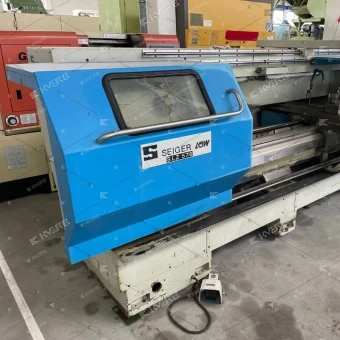
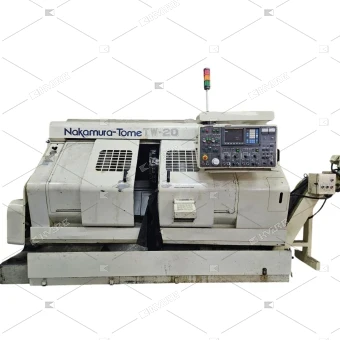
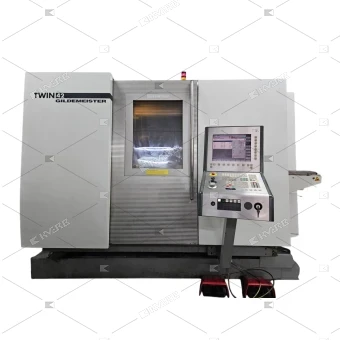
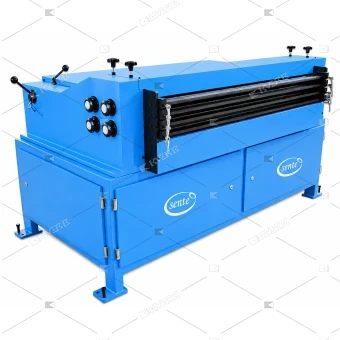
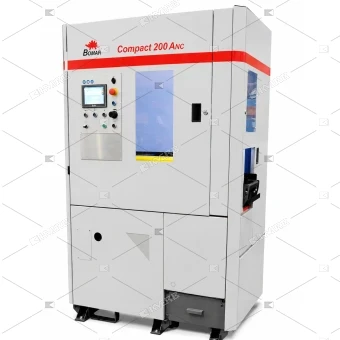
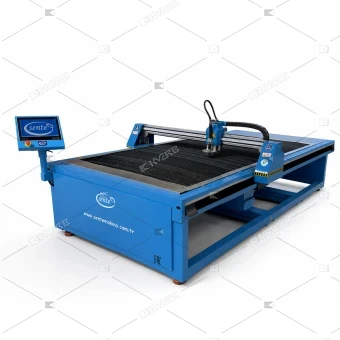
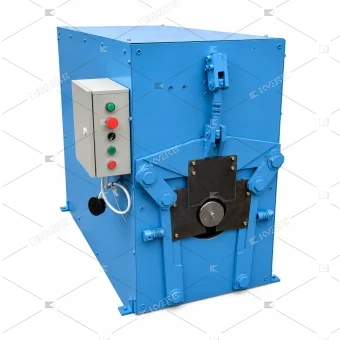
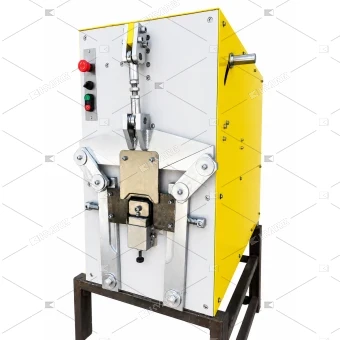
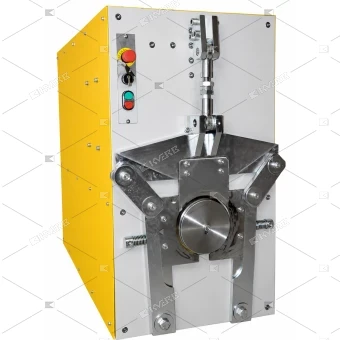
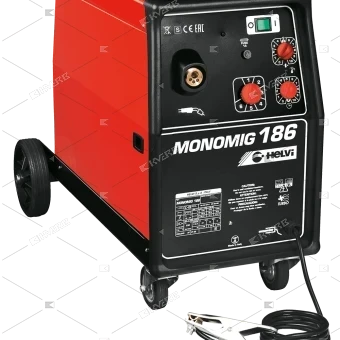
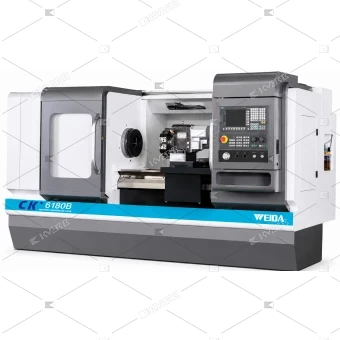
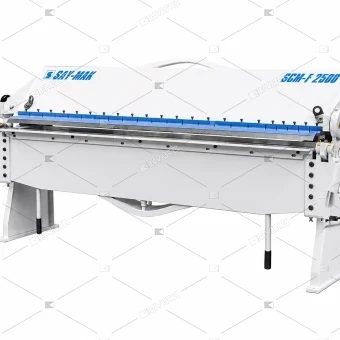
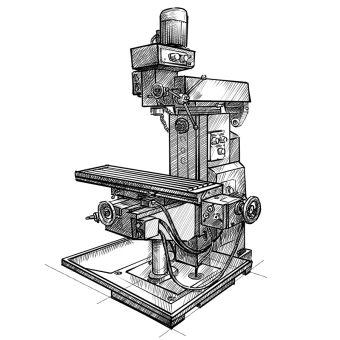
Metal milling machines process flat surfaces, slots, steps, holes and complex three-dimensional shapes. A rotating cutter removes metal from a fixed workpiece, while the movement of the table and spindle head along the axes defines the part geometry.
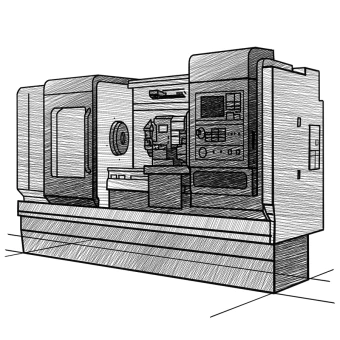
This section covers vertical and horizontal milling machines, CNC machining centers with automatic tool change, and turn-mill centers for complete machining. Depending on the task, a three-, four- or five-axis machine will fit. KVERB supplies new and used machines from around the world, selects a model for your parts and supports commissioning.
What to check when choosing
axis travels and table size, which must cover the largest part together with fixtures;
spindle taper, power and speed range;
number of axes: three, four or five;
tool magazine capacity for parts with many operations;
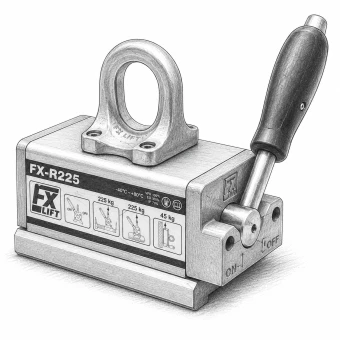
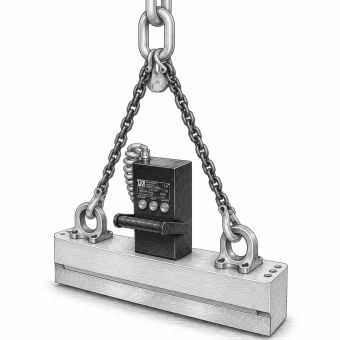
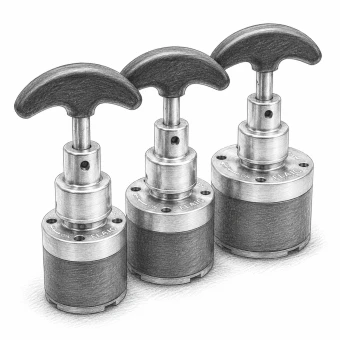
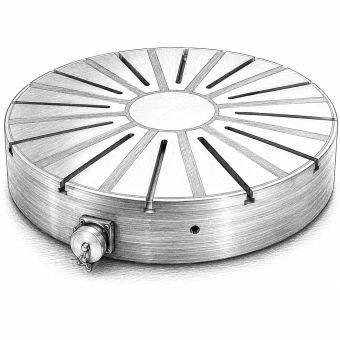
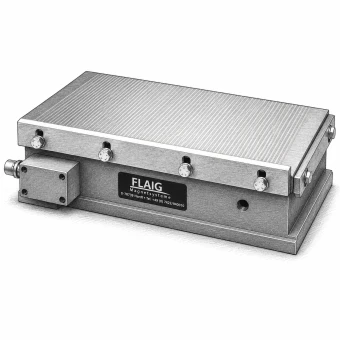
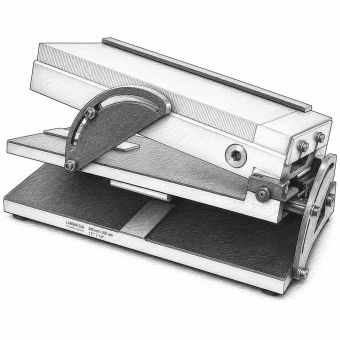
workholding, including vises and magnetic clamping systems;
a control system your operators and programmers already know.
How to select a machine
Send a drawing or photo of a typical part, the material and the batch size, and a KVERB manager will propose models for your task. You can leave a request on the site or message us on Viber or WhatsApp.
Frequently asked questions
What is a metal milling machine?
A machine in which a rotating cutter removes metal from a stationary workpiece, while the movement of the table and spindle head along the axes defines the shape: planes, slots, steps, holes and complex surfaces.
How do vertical and horizontal milling machines differ?
A vertical machine has a vertical spindle and suits plates, flanges and molds. A horizontal machine has a horizontal spindle, chips fall away by gravity, and housing-type parts are easy to machine from several sides.
What is a CNC machining center?
A CNC milling machine with an automatic tool changer fed from a magazine. The part goes through several operations without operator intervention. The models are collected in the CNC milling centers section.
How many axes do I need?
Three axes allow machining a part from above in one setup. A fourth axis gives access to side surfaces, and five axes let the tool approach at different angles. The choice depends on the geometry of your parts.
How should the workpiece be clamped?
Vises and clamps cover most tasks. Magnetic clamping systems give free access to several sides of a flat workpiece.
What should I do if I do not know which model I need?
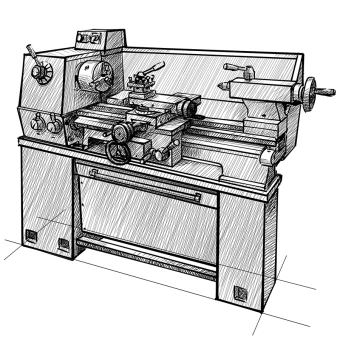
Send a drawing or photo of a typical part, the material and the batch size. A KVERB manager will propose models for your task. For used machines see universal used milling machines, and for turning work see lathes.