+38 (098) 127 45 85
 +38 (050) 673 51 21
Welding equipment for production: how to equip a workshop from the welding table to the robot
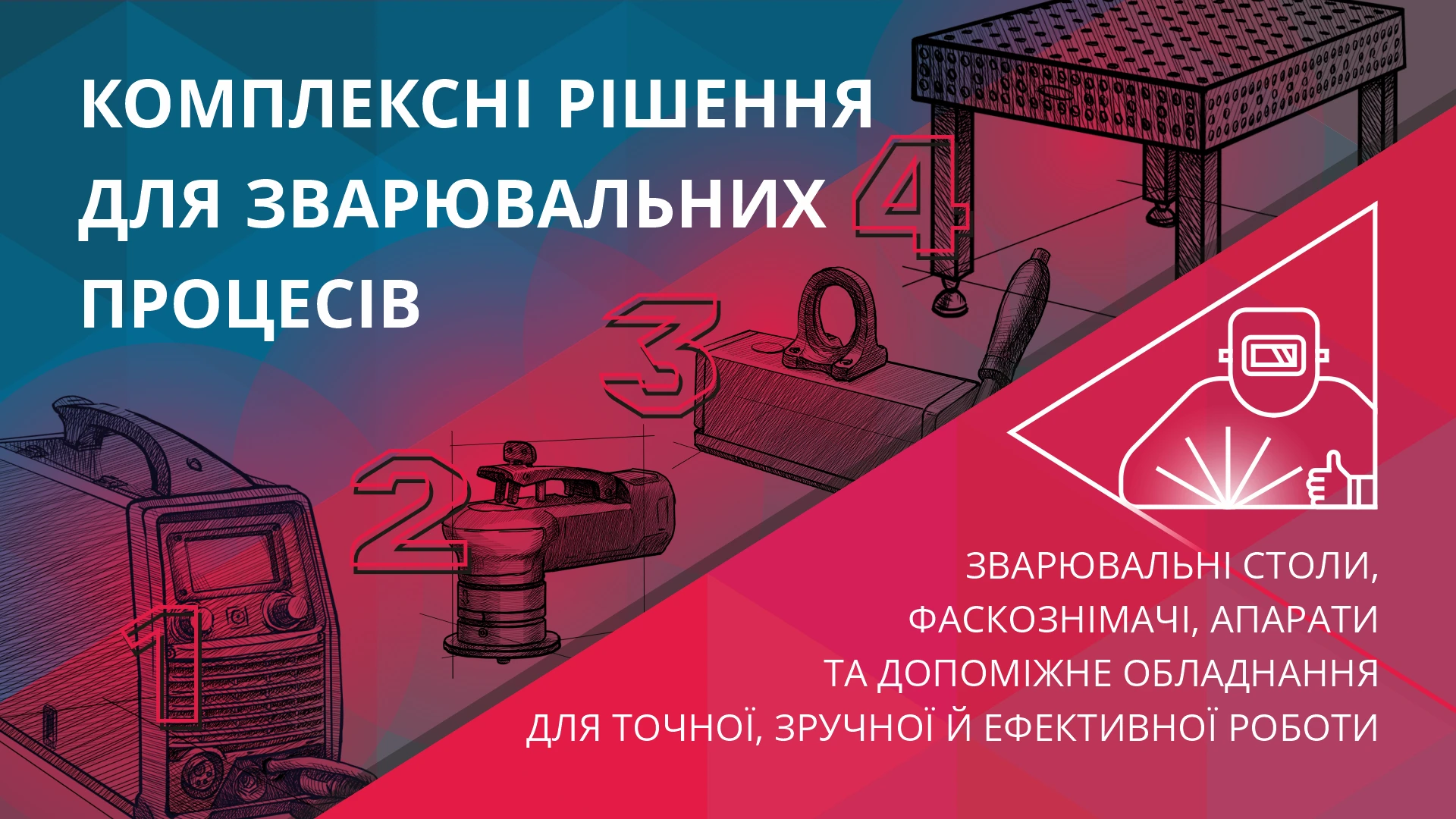
Welding equipment for production is not just a machine, but a system of several elements: a table and fixtures to locate the part, a power source, handling and positioning means, a safe working area and, when volumes require it, automation. Weld quality depends on every link. Below is how we at KVERB approach equipping a welding shop, so that You buy a solution for the task rather than a set of separate items.
What a welding station consists of
A typical station consists of five blocks. Underestimating any of them usually shows within a few months: in geometry repeatability, productivity or welder safety.
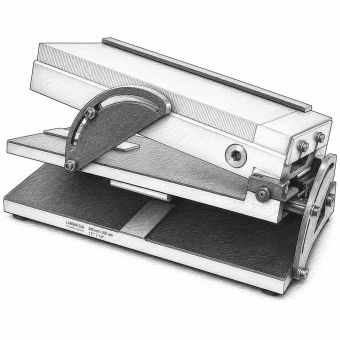
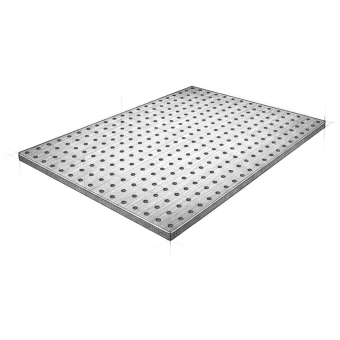
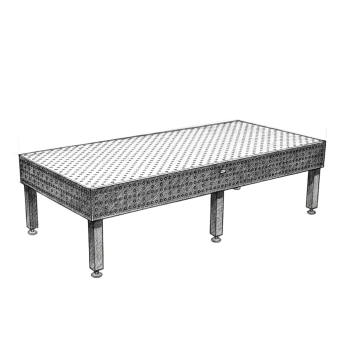
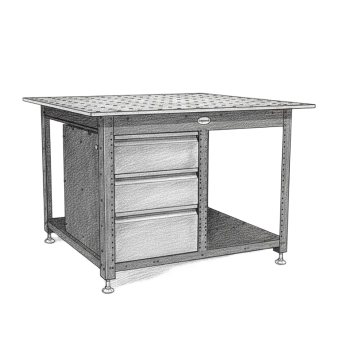
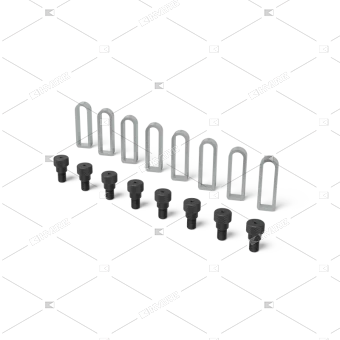
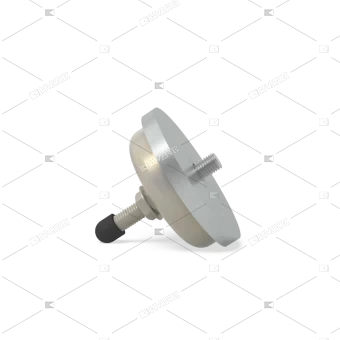
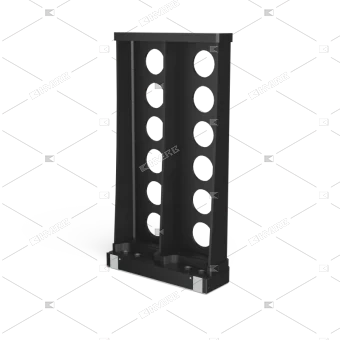
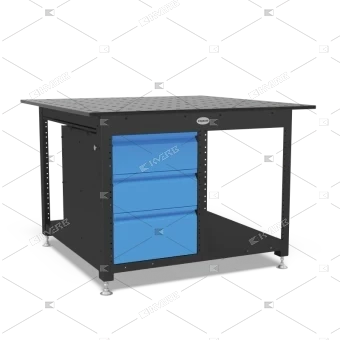
Work surface and fixtures. Welding tables and welding table accessories: clamps, stops, squares, prisms, clamping elements.
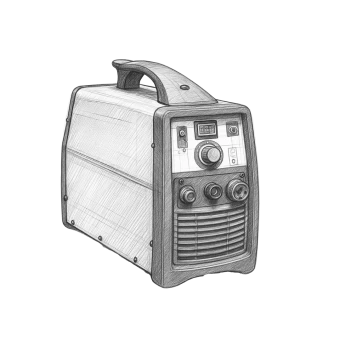
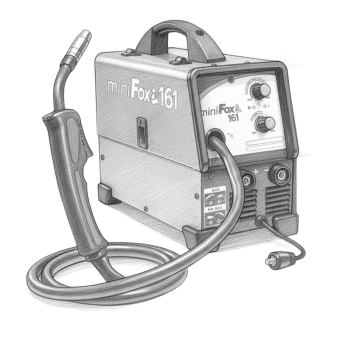
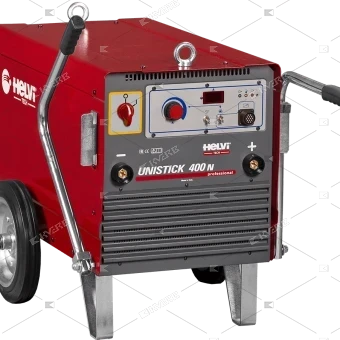
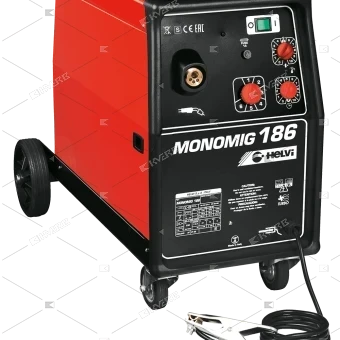
Power source. Welding machines for the required process and load.
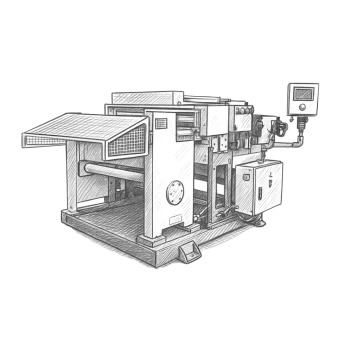
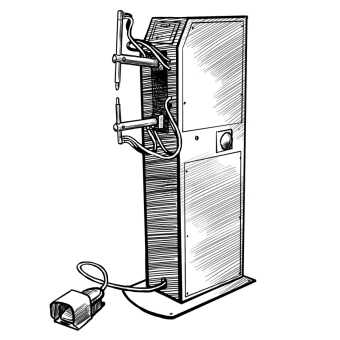
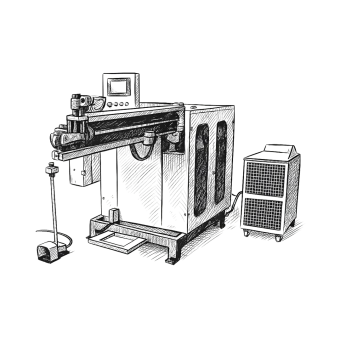
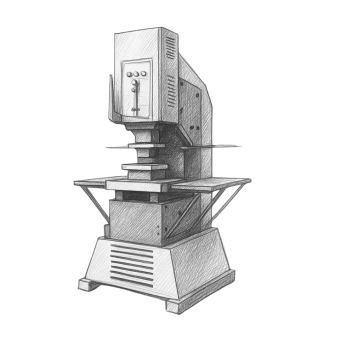
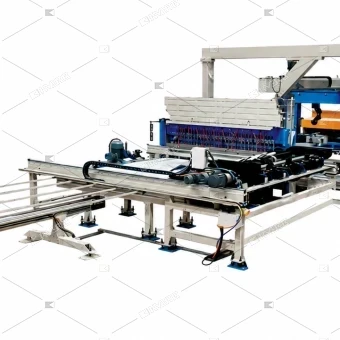
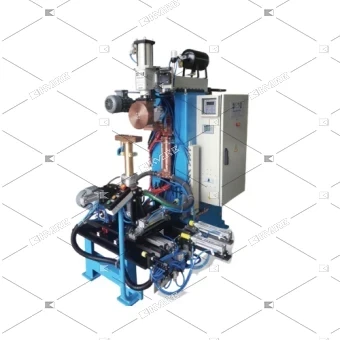
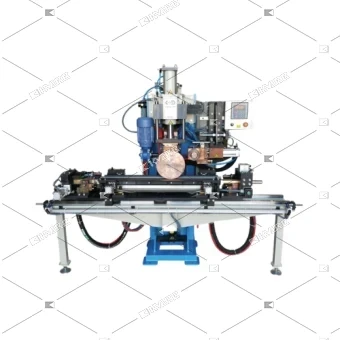
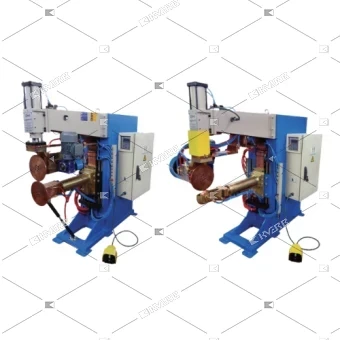
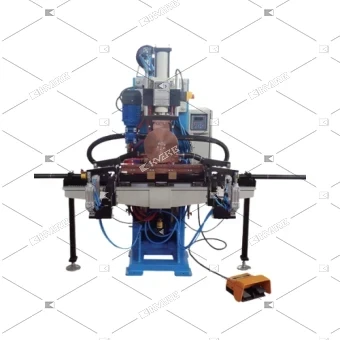
Specialised welding. Spot welding machines for sheet parts and serial assemblies.
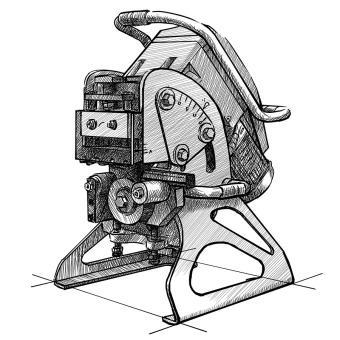
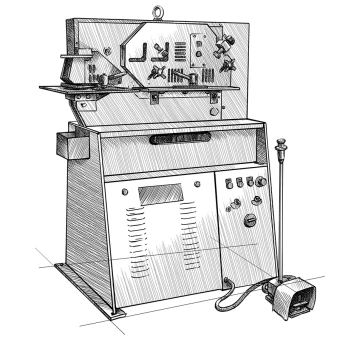
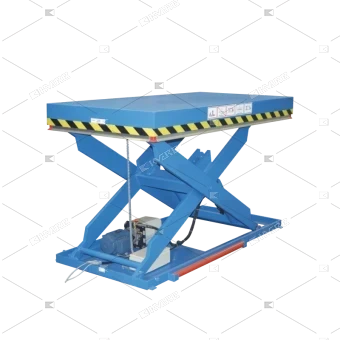
Automation and positioning. Workstations, welding equipment with manipulators and positioners.
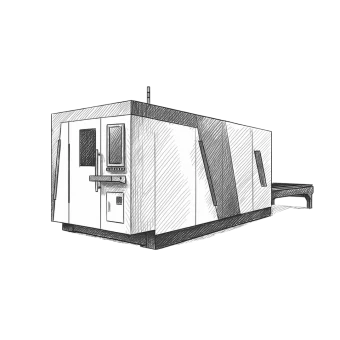
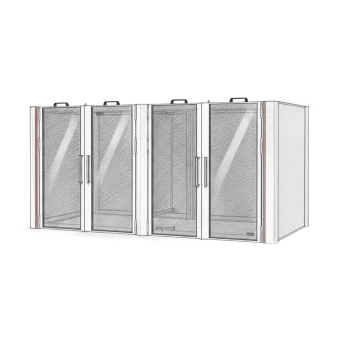
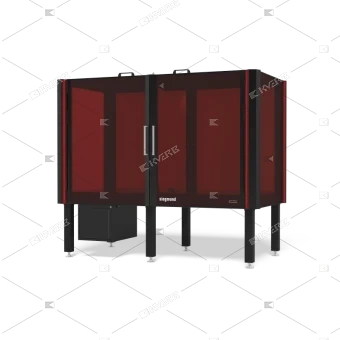
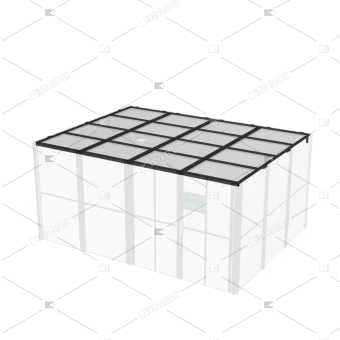
Safe zone. Welding booths to protect personnel and organise the work area.
|
|
|
|
The welding table: why it comes first
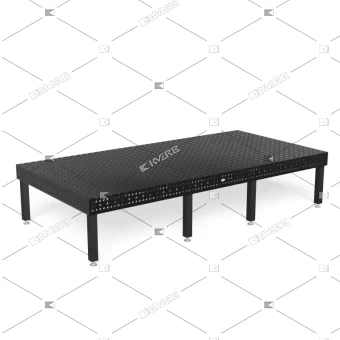
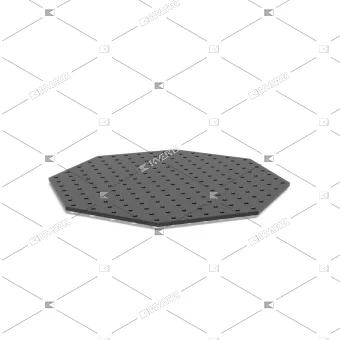
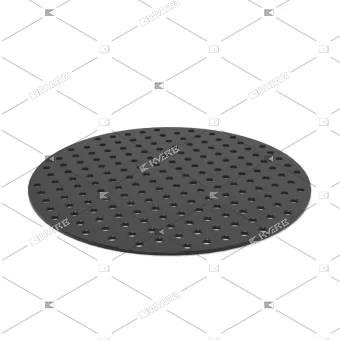
The welding table defines the geometry of the product. If the part is located unstably, no machine will compensate for an assembly error. For production, choose tables with a perforated work surface where clamps can be repositioned without extra tooling, and with enough rigidity to withstand the load from workpieces and impact straightening operations.
What to look at when choosing a welding table: plate size and thickness, hole system and tooling compatibility, load capacity, the ability to expand the set with accessories, resistance to heat and spatter. KVERB supplies Siegmund welding tables, including to educational institutions and production sites where repeatability and modular fixtures matter. See our article on Siegmund welding tables for professional education.
|
|
|
|
Welding machines: how to choose a power source
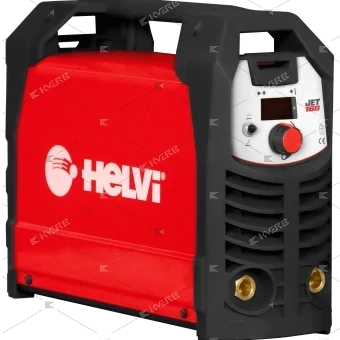
Start choosing a machine from the process and material, not from power. The metal and its thickness, joint type, weld appearance requirements and intensity of work define the equipment class. For production it is important to assess duty cycle: a machine that works shift after shift needs a reserve in service life, not only in current.
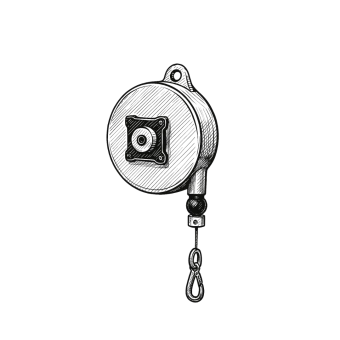
Spot welding stands apart. It is effective where sheet parts are joined in series and speed and repeatability matter more than weld appearance. Suspended spot welders and spring balancers reduce operator load and improve stability. Read more in the article on TECNA welding machines and balancers.
|
|
|
|
When a welding shop needs robotics
A robot makes sense when the same weld is repeated on a large number of identical or similar parts, and manual labour becomes a bottleneck due to a shortage of welders or unstable quality. For robotics projects KVERB works with CLOOS Polska. The path from idea to launch is described in Welding robotics and automation in Ukraine.
Start with analysis of the part and batch, not with choosing a robot: product size, weld accessibility, locating fixtures and required productivity define the cell configuration. A properly prepared table and fixtures are a condition without which a robot will not give a stable result.
|
|
|
|
Choosing equipment for your type of production
Workshop and repair: a universal welding machine, a medium-size welding table, a basic set of accessories.
Steel structures and machinery: large tables, modular fixtures, machines for long duty cycles, space for assembling units.
Serial sheet assemblies: spot welders, balancers, tooling for repeating parts.
Product assembly and training: a set of tables with identical fixtures for several workplaces.
Serial production with similar welds: a workstation or robotic cell with positioners.
|
|
|
|
Frequently asked questions about welding equipment
What equipment is needed to open a welding area?
The minimum set is a welding machine for Your process, a welding table with fixtures, personal protective equipment and an organised work zone. The composition is refined by material, metal thickness and typical products.
How does spot welding differ from regular welding?
Spot welding joins sheet parts at selected points without filler material. It is chosen for serial assemblies where speed and repeatability matter.
Can welding production be automated gradually?
Yes. Start with the table and fixtures, then add positioners and workstations, and after analysing the batch, a robotic cell. This sequence avoids overpaying at the start.
Does KVERB help with selection and commissioning?
Yes. We select equipment for the task, arrange delivery across Ukraine, documentation and warranty, and support commissioning.
Welding equipment in the KVERB catalogue
Welding tables · Welding table accessories · Welding machines · Spot welding machines · Welding workstations · Welding booths · Seam welding machines
We will put together a set for Your workshop
Send us a list of products, materials and approximate volumes, and we will propose the configuration and launch order. Phones: +38 (098) 127 45 85, +38 (050) 673 51 21. Email: info@kverb.eu.
- Share
-

-

-

-

-

-