+38 (098) 127 45 85
 +38 (050) 673 51 21

CNC machine for metalworking: how to choose a new or used lathe, milling machine or machining centre
A CNC machine is one of the most expensive and longest-lasting investments of a metalworking company. A wrong choice costs not only money but months of downtime and lost orders. That is why at KVERB we start not with the catalogue but with Your part: what must be made, from which material, in what batch and with what accuracy. This article covers the selection sequence, a separate section on inspecting used equipment from Europe and a checklist that will shorten correspondence with a supplier.
Step 1. Start with the part, not the machine
The best technical brief is a real part. Before comparing models, collect: material (structural and stainless steel, aluminium, cast iron and titanium require different regimes and rigidity), workpiece size and weight, tolerances and surface roughness, batch size and number of operations.
Step 2. Choose the type: lathe, milling machine or mill-turn centre
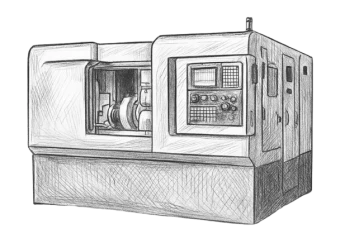
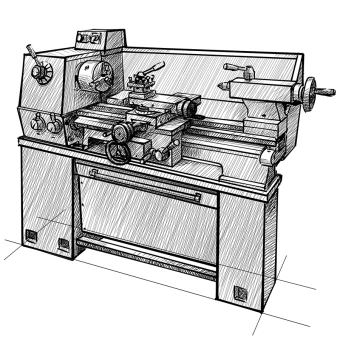
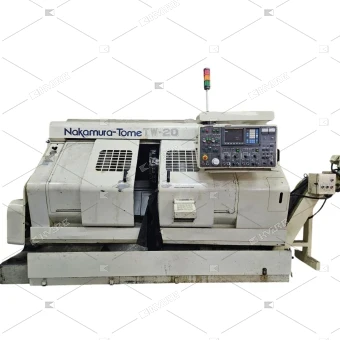
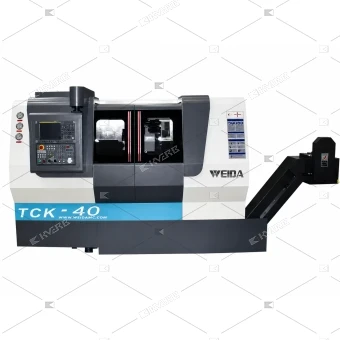
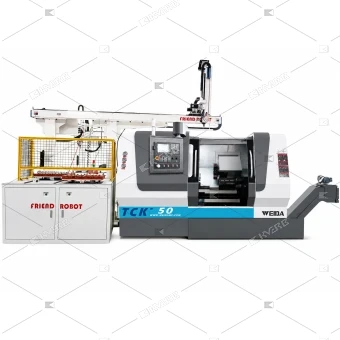
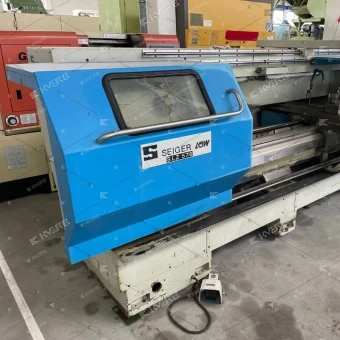
CNC lathe
For turned parts: shafts, bushings, flanges, axles. Driven tooling and an extra axis extend capabilities and allow some milling operations.
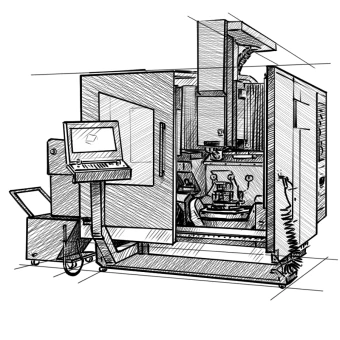
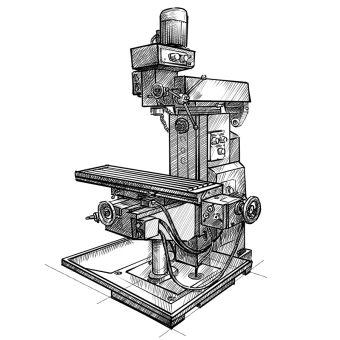
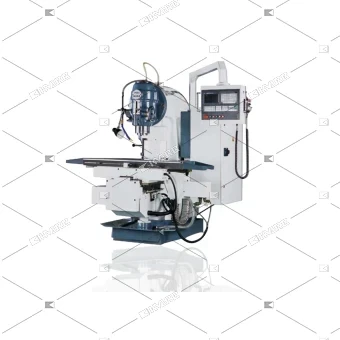
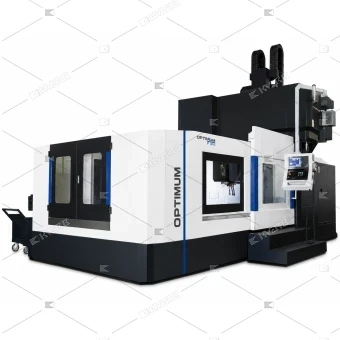
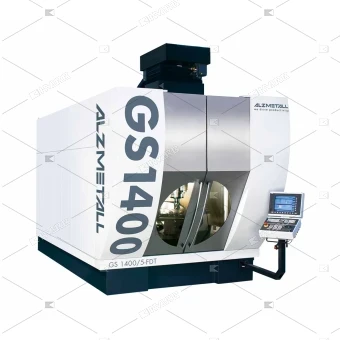
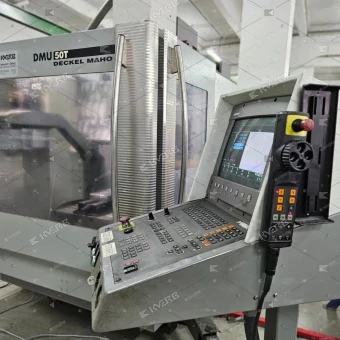
CNC milling machine and machining centre
For housing parts, plates, slots and complex surfaces. Available in vertical and horizontal versions with different numbers of axes.
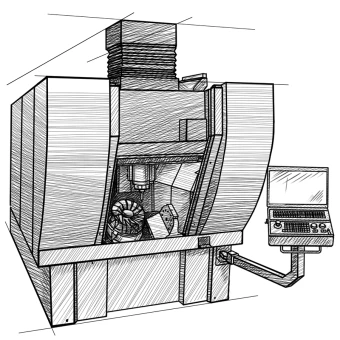
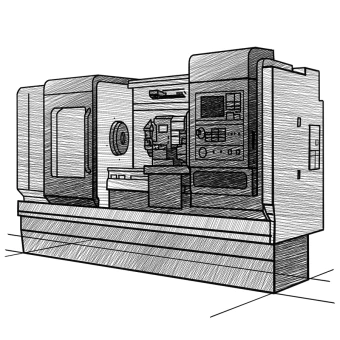
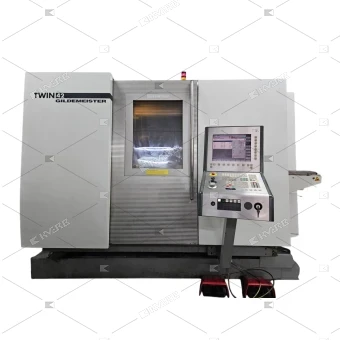
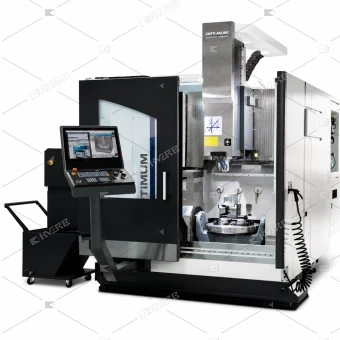
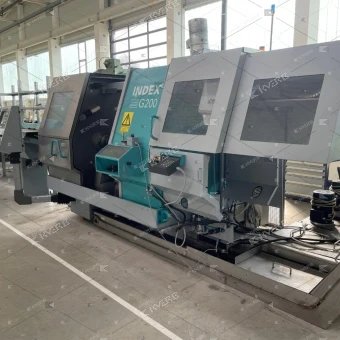
Mill-turn centre
When a part needs both turning and milling in one setup. Fewer re-clampings mean higher accuracy and lower scrap risk, but such centres cost more and programming is harder.
|
|
|
|
|
|
|
|
Step 3. Key selection parameters
Work area and axis travel. The part must fit with room for fixtures and tools.
Number of axes. Three axes cover most typical tasks, four and five are justified for complex surfaces.
Spindle. Choose power, torque and speed range for Your materials.
Tool magazine. Capacity and tool change speed matter for serial production.
Rigidity and accuracy. Bed mass, guideway quality and cooling define real tolerances.
Control system. Siemens, Heidenhain, Fanuc and others: consider what Your operators work with.
Infrastructure. Dimensions, weight, foundation, power supply, compressed air.
Step 4. New or used equipment from Europe
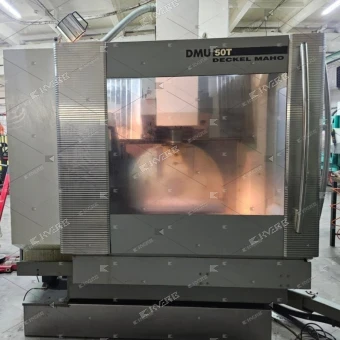
New machines give a full warranty, current control systems and maximum service life. Used machines from Europe let You launch production faster and cheaper, but require careful inspection: condition of guideways and spindle, operating hours, geometry and service history. Many people search for a used lathe, a used milling machine or used CNC machines: we offer inspected equipment. See the used equipment section. More about brands in CNC machines from world manufacturers.
How to inspect a used CNC machine before buying
Spindle hours and bearing condition.
Backlash and condition of guideways and ball screws.
Geometry and accuracy after a test cut.
Condition of the control system and electrics, available documentation.
Service history and availability of spare parts.
|
|
|
|
Common mistakes when choosing a CNC machine
Buying with a margin without calculating real load.
No budget for fixtures, tools and workholding.
Operator and programmer training not planned.
Control system compatibility with CAM software not checked.
Ignoring service and spare part availability.
Comparing offers by price only.
What to prepare before contacting a supplier
Drawings or 3D models of two or three typical parts.
Material, batch size and planned monthly volume.
Accuracy and surface roughness requirements.
Desired budget and launch time.
Installation site: area, height, power supply.
Who will operate the machine and the team experience.
Frequently asked questions
How much does a CNC machine cost?
The price depends on type, size, number of axes, control system and condition (new or used). Ask a manager for the exact price and configuration for Your part.
Can I buy a used CNC machine from Europe with warranty and delivery?
Yes. We supply inspected used equipment from Europe and arrange delivery across Ukraine, documents and commissioning.
How does a mill-turn centre differ from a machining centre?
A mill-turn centre combines turning and milling in one setup, while a machining centre usually specialises in milling housing parts.
Can I see the machine working before buying?
For many items yes: ask a manager about demonstration and test cutting.
CNC machines in the KVERB catalogue
CNC lathes · CNC milling centres · CNC turn-mill centres · Machines for machining · Used equipment · Metalworking equipment
CNC lathes · CNC milling centres · CNC turn-mill centres · Machines for machining · Used equipment · Metalworking equipment
We will select a machine for Your task
Describe the part and the task and we will propose options of new and used equipment. Phones: +38 (098) 127 45 85, +38 (050) 673 51 21. Email: info@kverb.eu.
We publish new CNC machine arrivals in a separate channel: Go to the KVERB CNC Telegram channel
- Share
-

-

-

-

-

-